









RAC is calling on Western Australian motorists to slow down and move over when they see a roadside incident, following the release of disturbing footage of a shocking near miss.
Joining forces with fellow roadside responders and emergency service agencies, RAC has revealed the everyday dangers faced by roadside workers.
A shocking dashcam video has been shared in which a tow truck worker can be seen attending to a breakdown in an emergency lane, when a truck suddenly drifts towards him – veering at the last second and avoiding a tragedy.
A recent survey of RAC Patrols found more than half experienced a near miss at least once a month.
“Everyone deserves to get home safe from work, but our Patrols face near misses far too often due to motorists travelling too fast or not paying attention,” said RAC Head of Communications, Rhys Heron.
Between 2013-2024, 32 Australian workers were killed while responding to an emergency or performing road work traffic control duties, according to Safe Work Australia.
Incidents like these led to the Slow Down and Move Over (SLOMO) law being implemented in WA in 2018, which requires drivers to slow down to 40km and move over, or face a $300 fine and three demerit points.
The SLOMO law is designed to create a safer, more respectful environment for all those who call the roadside their place of work.
“The roadside can be a dangerous place for RAC Patrols, stranded motorists, road workers, emergency responders, police officers and tow truck drivers,” said Mr Heron.
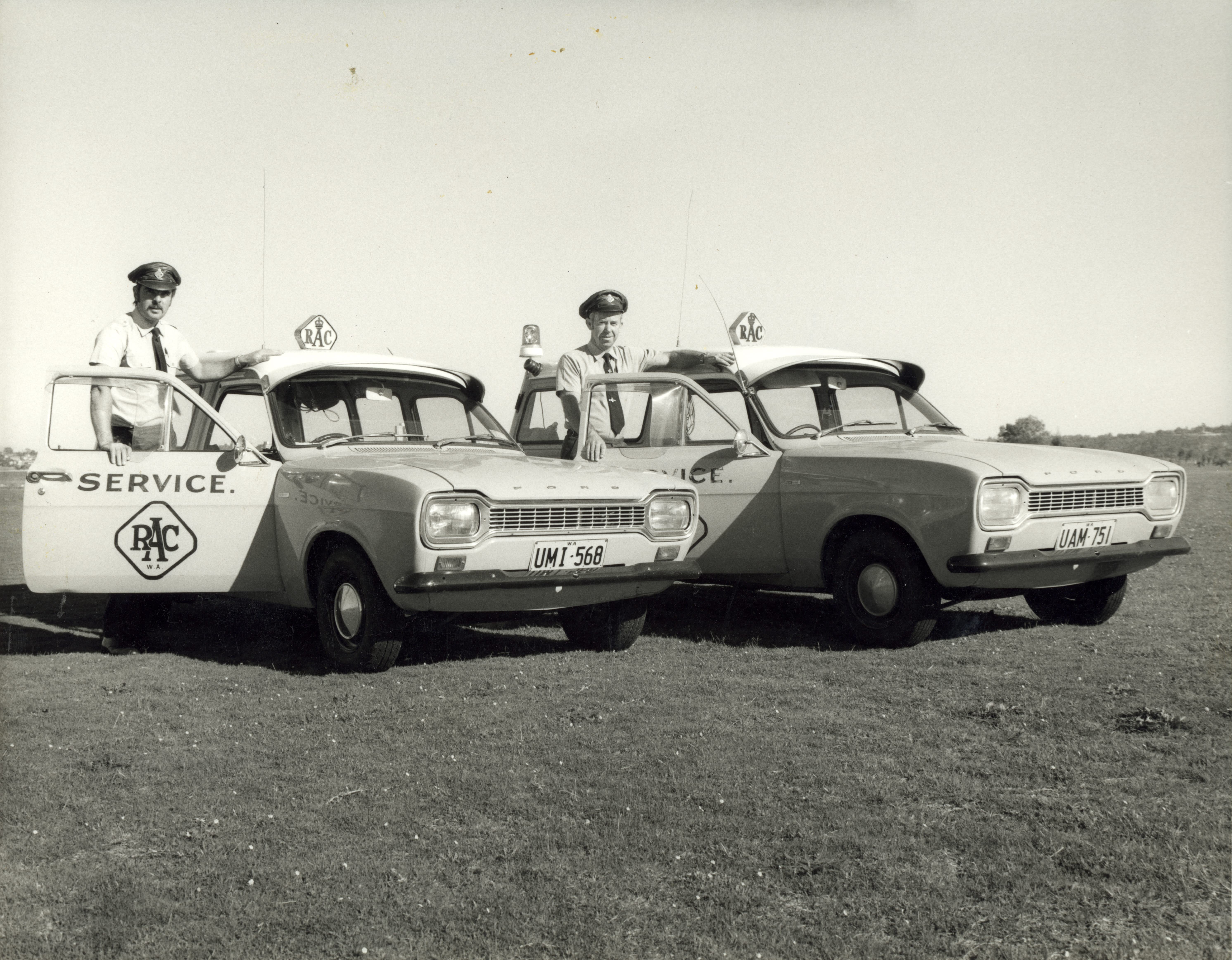
“During our 100 years of Roadside celebrations this year, there was an outpouring of support and appreciation for our Patrols. We are now reminding drivers to give them the space they need to do their job safely.”
Fire and Emergency Services Commissioner Darren Klemm AFSM said it was important the public knows what to do when emergency services vehicles are approaching with flashing lights and sirens.
“Rescue crews work next to fast-moving traffic, often in bleak weather and with visibility restricted,” said Mr Klemm.
“Slowing down for DFES vehicles protects our firefighters and volunteers and gives drivers more time to react to hazards on the road, such as debris from an incident.”
“Lowering your speed and merging left ensures emergency services can respond safely and get to an emergency as quickly as possible.”
Road Safety Commissioner Adrian Warner said “When Western Australia introduced the SLOMO law in 2018, we took a broader approach than most other jurisdictions by extending protections beyond emergency services to include tow trucks, RAC roadside assistance vehicles and Main Roads incident response vehicles.”
“Whether they're at a crash scene, helping a stranded driver or clearing hazards from the road, these workers perform essential services in a risky setting and deserve the protection that the SLOMO law provides.”
Kevin Brown, St John WA Group CEO said “When our teams attend a roadside emergency, every second counts. Whether treating someone at the scene of a crash or preparing to transport them to hospital, our crews need a safe space to deliver life-saving care. We're asking motorists to be alert, take extra care around roadside incidents and help us keep everyone safe.”
Commander Mike Peters, Road Policing Command, WA Police Force said “Police officers regularly work on the roadside while responding to crashes, conducting traffic stops and carrying out enforcement activities. When you see flashing lights, slowing down to 40km/h and moving over is a simple action that helps protect our officers and can prevent tragedy.”
More about the SLOMO Law
Under the SLOMO Law drivers MUST slow down to 40 km/h when approaching stationary emergency vehicles that are displaying flashing lights at an incident.
The penalty for not doing so is a $300 fine and three demerit points.
The SLOMO Law extends to all incident response vehicles including:
WA Police Force
Department of Fire and Emergency Services
St John WA
RAC WA
Tow trucks intended to be used to salvage or tow a vehicle
Main Roads WA Incident Response Service