RAC Ignite Street Makeovers
Our Street Makeover Program offers fun workshops and projects where young people can get hands on and redesign local streets that are more welcoming for everyone.
A step-by-step guide to testing simple, low-risk ways to create safer, healthier, and more people-friendly streets.
Are you:
If yes, this guide is for you.
Read the guide
Contact RAC at community@rac.com.au for more information.
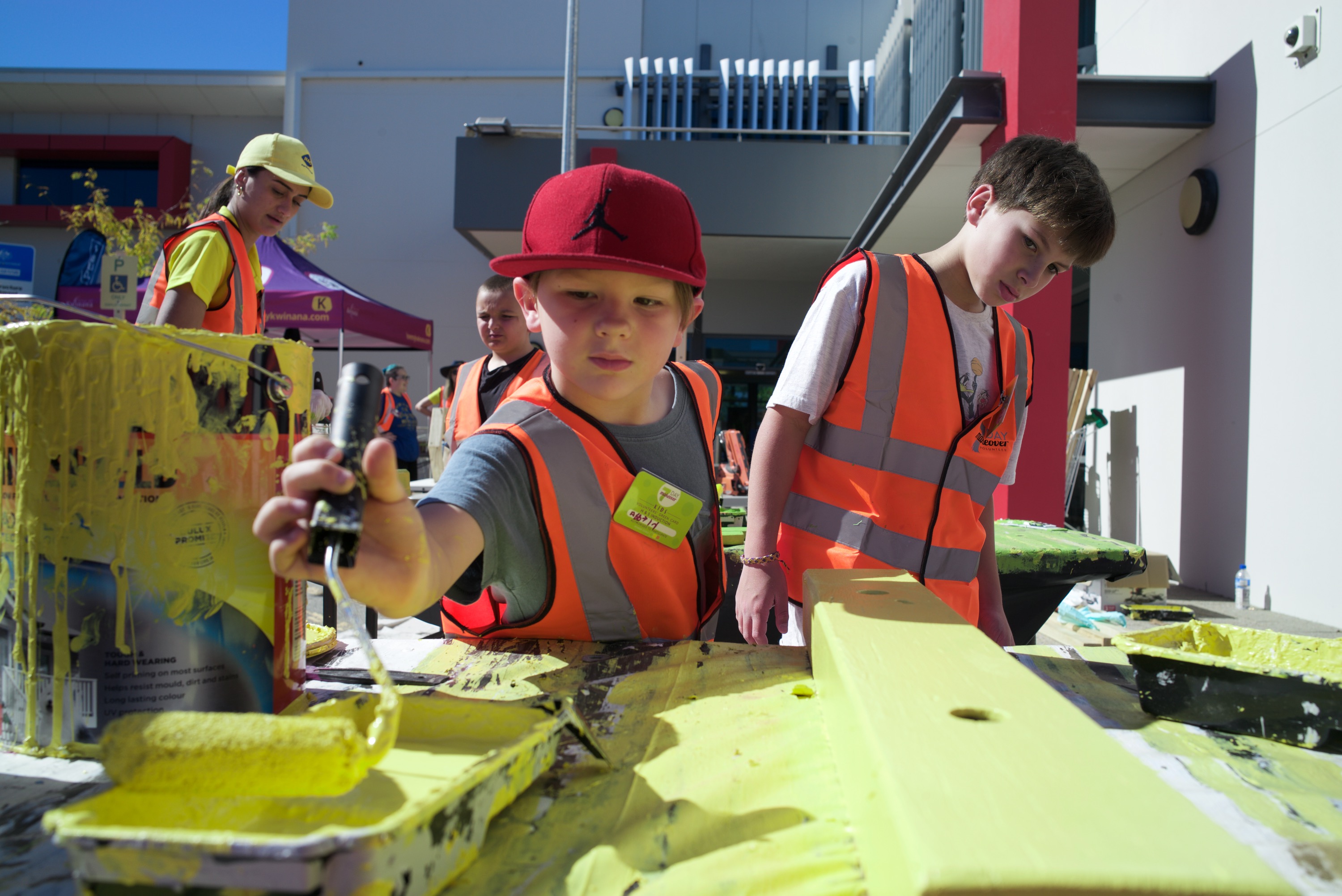
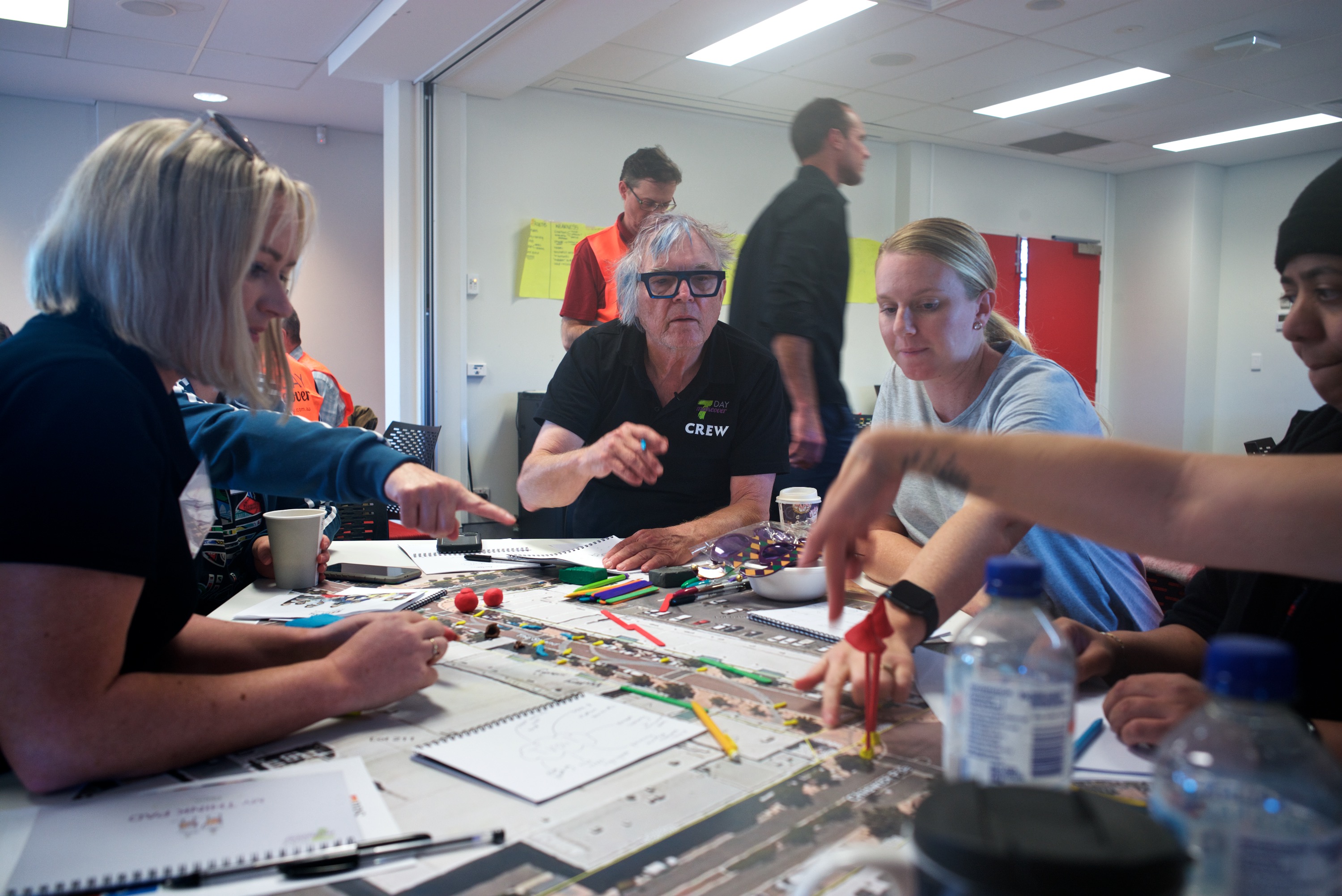
A Street Remix is a quick, low-cost way to test ideas for improving a street - before investing in permanent changes.
Instead of years of planning and costly upgrades, you can trial ideas using temporary materials and real-world feedback.
Street Remixes follow a “lighter, quicker, cheaper” approach and are often part of what’s known as Tactical Urbanism.
Permanent street upgrades - like major infrastructure works - require formal planning, design, and approvals.
Street Remixes don’t replace this process, but they can help inform and improve it.
.jpg?modified=20260422021556)
Test ideas in real life: See how people actually use the street - not just what data predicts.
Get direct feedback: People can experience the change and share what works (and what doesn't).
Build support: Temporary changes help communities feel involved, increasing trust and buy-in.
Low risk, high reward: If it doesn’t work, adjust or remove it. If it does, you’ve got evidence for something bigger.